

Cellebrite (CLBT) has completed its IPO (via SPAC) just 4 years ago, but it already has had one hell of a roller coaster! The company timed the IPO well during the 2021 bull market, but saw its share price get more than cut in half through 2022 and not recovering until late 2023. Before I explain why I’m very bullish on the future of this company, let’s look at why they performed so poorly for the first 2 years post-IPO.
Check out the first part of the analysis here.
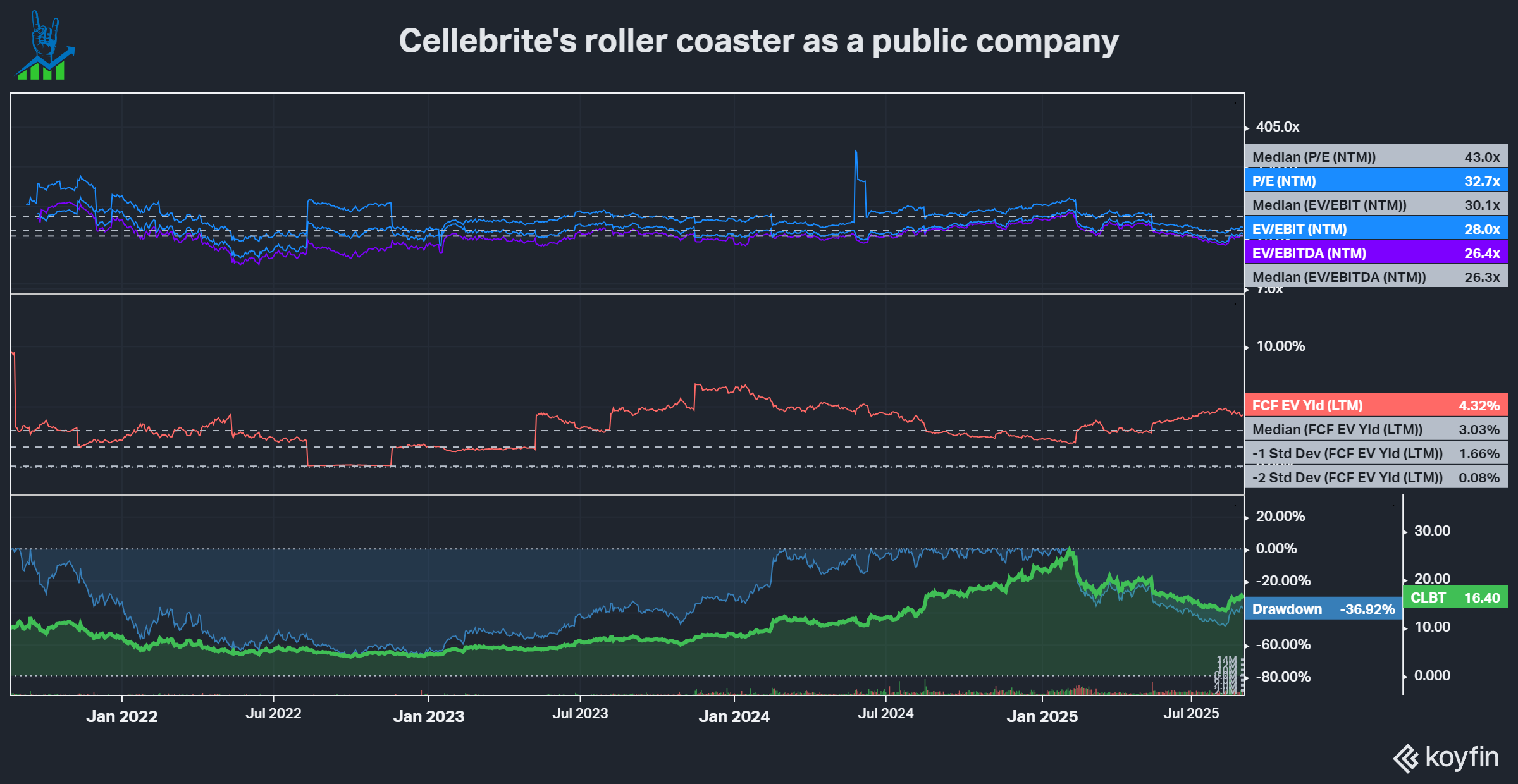
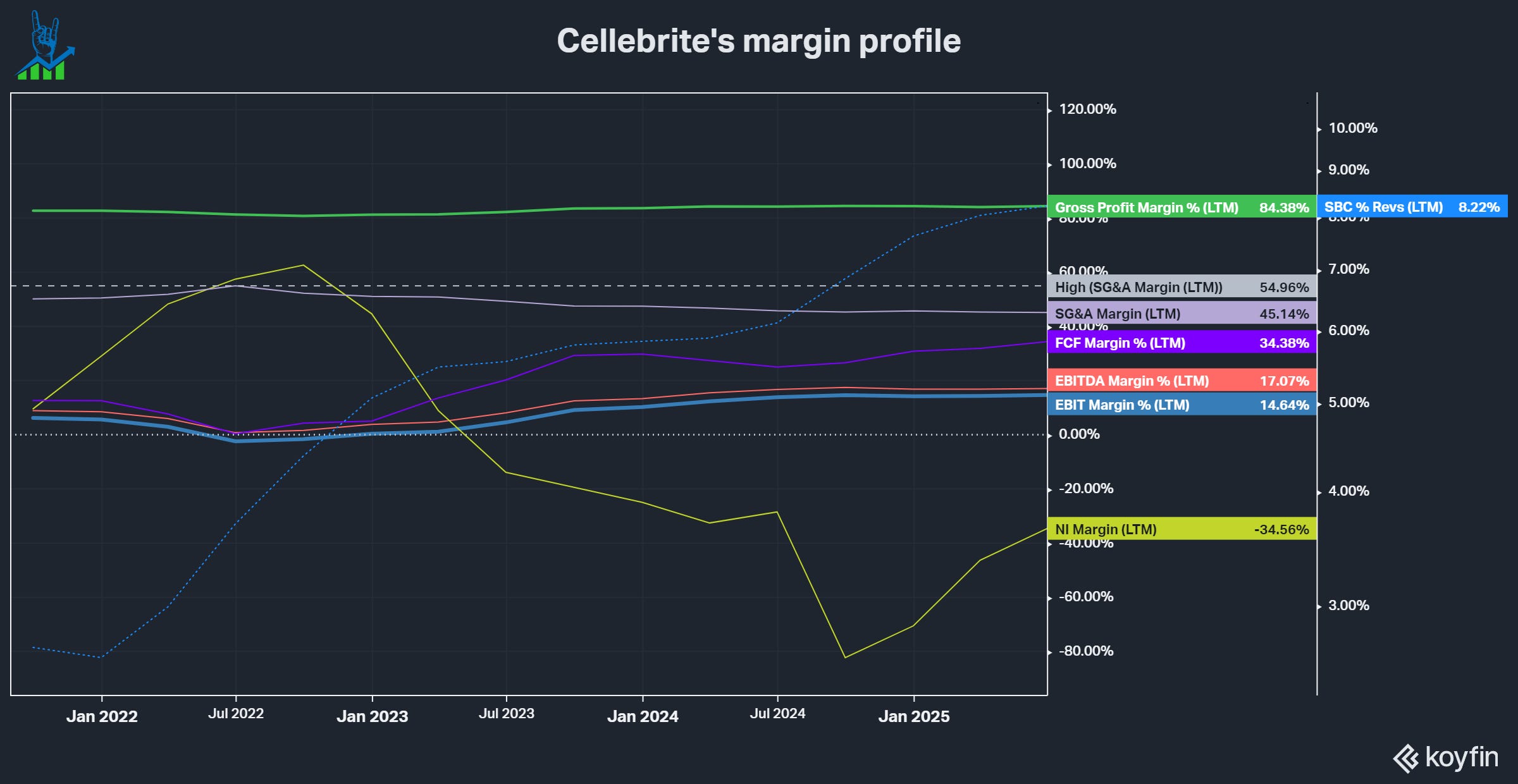
Cellebrite was valued at a high multiple and disappointed investors with short term investment, resulting in lower profitability. The company reinvested heavily into its sales and R&D teams to build out its case-to-closure platform, spanning the entire investigative workflow. They also transitioned from licenses to subscriptions, which of course saw short-term pressures to revenue growth. Together with the one-off costs associated with IPOs, we can see that margins were very volatile.
Net income margin can be disregarded, because it has strong distortions from redemption of warrants from the IPO. We can however see how much SG&A margin increased from the (this directly impacts all profit margins) increased and that it already declined almost 10 percent points since. If we look at Cellebrite’s historical profitability, we should keep this in mind.
A fast growing market
Global digital forensics is a fast growing market, according to precedence research, reaching $47.9 billion in 2034, representing a 15% CAGR from $13.5 billion in 2025. Right now, hardware products have the highest market share (43%) followed by software (30%) and services (27%). Cellebrite is now focusing on the software and services (expected to grow the fastest) segment by up- and cross-selling its existing customers.
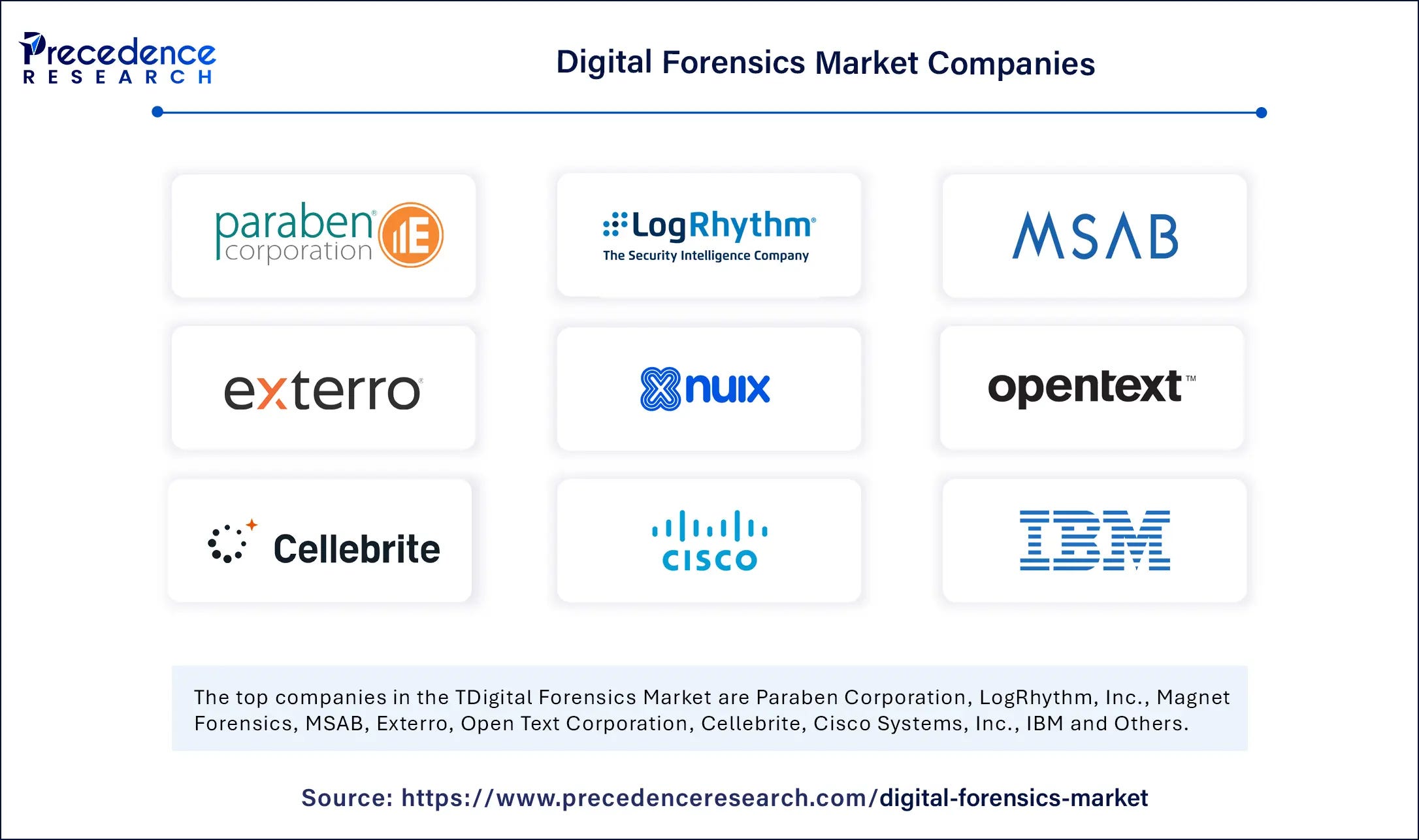
It’s far from a monopoly, with a range of competitors like Paraben Corporation, Magnet Forensic (closest competitor), MSAB, Open Text Corporation or big players like Cisco Systems and IBM.
Growth algorithm: How they want to reach a billion in ARR
An important distinction for CLBT is between revenue and ARR (annual recurring revenue): As a (predominantly) software business they have a strong bias towards recurring subscription revenue (represented by ARR). ARR has reached 91% of sales in the last quarter and shows how far ahead Cellebrite is in its transition towards high recurring revenue.
First, let’s understand how Cellebrite’s business works. Usually, SaaS businesses sell their services to its customer, which then buys seats for each employee interacting with the software. These seats then can get up- or cross-sold with more services, driving up ARPU (average revenue per user).